
How much does scuba diving gear cost?Buying new, second-hand or continuing to rent.
I have built my scuba kit gradually. I am not a dive shop, and I do not think buying a complete setup from day one makes sense for everyone. If you are trying to work out how much scuba diving gear costs and what is worth buying first, the key is separating personal gear from the equipment you can comfortably keep renting.
This guide compares three approaches: continuing to rent, buying new scuba gear or reducing the initial cost by buying some equipment second-hand, using approximate figures and also my own experience of building a kit little by little.
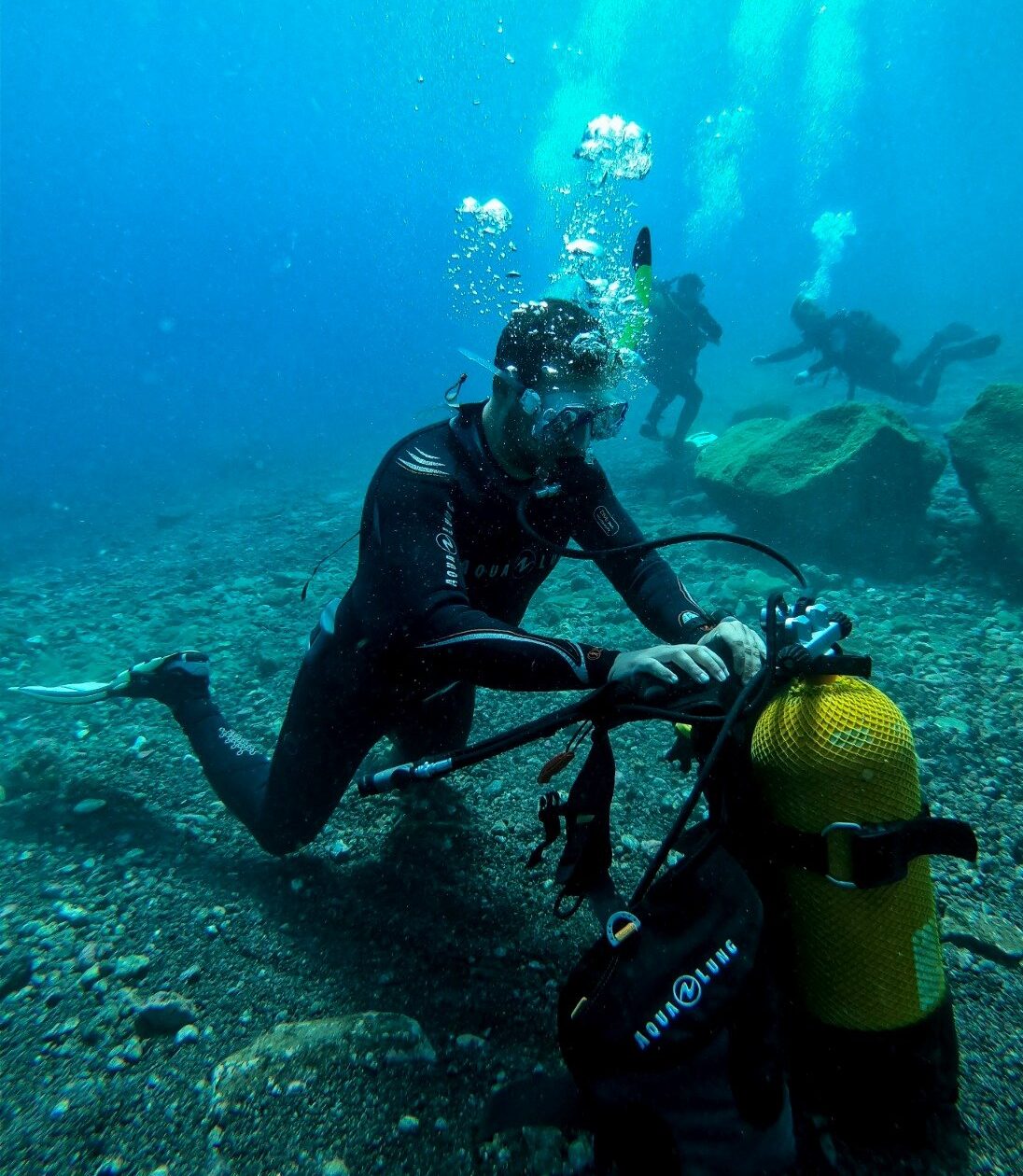
What would I do as a beginner?
If I only dive a few times a year, I would not start by buying a regulator, BCD, wetsuit and all the bulky equipment.
I would first buy personal items that make a noticeable difference from the first few dives: mask, boots, snorkel, compass, marker light and, if I know I am going to keep diving, my own dive computer.
That is exactly the approach I follow in my guide to what scuba gear to buy first.
When does buying your own scuba gear make sense?
It depends heavily on how many dives you do each year. Diving twice on holiday is very different from diving several times every month.
What scuba gear would I buy second-hand?
Used gear can be a good idea, but not every piece has the same safety implications, wear or servicing requirements.
Preparing for a scuba diving trip?
If you decide to bring only your personal equipment and rent the bulky gear at your destination, a full checklist can help you avoid forgetting anything.
What I would buy first as a beginner
Before buying bulky equipment, I would build a small personal kit: reasonably affordable items that are easy to transport and can still be used even when you rent the rest.
Your own mask
One of the purchases you notice most from the first few dives. I use the Mares X-Vision Ultra LiquidSkin and have a review based on real-world use.
Dive boots
Useful for hygiene, warmth and comfort when walking to the water. I use the Aqualung Echozip Ergo 7 mm and have a review based on real-world use.
Flexible snorkel
Inexpensive, compact and easy to add to a lightweight personal kit.
Wrist compass
Useful for navigation practice and for learning one consistent display and bezel.
Marker light
It is not for illuminating the environment; its purpose is to make you easier to see during night dives or in low light.
Dive computer
For me, this became one of the most important purchases once I knew I was going to keep diving. I use the SCUBAPRO Aladin One Matrix and also compare it with other beginner dive computers.
FAQ: how much does scuba diving gear cost?
Do beginners need to buy all their gear?
No. You can rent most of your equipment and gradually buy the personal items you use most.
What would I buy first?
A mask, dive boots and, if I know I am going to keep diving, my own dive computer.
Is renting cheaper than buying?
If you do only a few dives each year, renting can still make sense. As your dive frequency increases, ownership becomes more attractive.
Is second-hand scuba gear worth it?
It can be, depending on the item. Condition, fit, servicing and safety matter more than the initial saving.
Would I buy a used regulator?
Only with considerable caution and with professional servicing included in the decision.
When would I buy the bulky gear?
When dive frequency, storage space and the cost of continued rental start to justify ownership.
My approach is simple:own the personal gear, rent the bulky gear.
At the beginning I would prioritise a mask, dive boots, computer and small accessories. The regulator, BCD, wetsuit, fins, tank and weights can wait.
Buying more gear starts to make sense once you dive frequently enough to justify the cost and have somewhere to store, rinse and maintain it properly.
See my first scuba diving kit